However, if a person is often experiencing anxiety due to frequent drinking, it can be a sign that they should reach out for professional help. Chances of experiencing symptoms of hangxiety may be reduced or prevented if you limit the amount of alcohol you consume, stay hydrated, or choose to abstain from alcohol. Yes, hangovers can lead to symptoms of anxiety, depression, and irritability. Anxiety can occur from alcohol the next day because the brain is trying to rebalance its chemical levels.
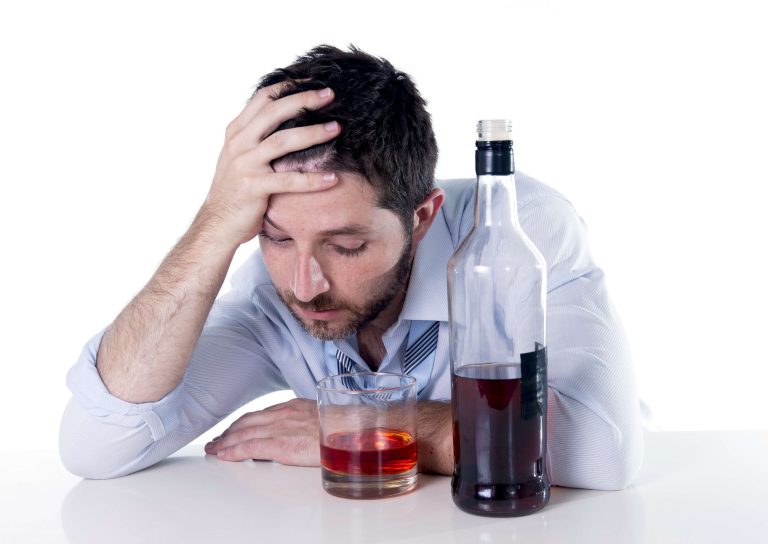
Why Do I Get Super Anxious the Day After Drinking?
As this is happening, it can affect your central nervous system and cause you to feel jittery or anxious. The early days of sobriety can be very challenging, but you can get through them. Your body will heal, and you will build healthier coping habits that diminish the importance of alcohol in your life. Join Monument today to get connected with an expert Care Team and encouraging community who will support you along your journey.
Why do some people not get hangxiety?
Hangxiety involves general hangover symptoms coupled with increased anxiety, feelings of irritability, stress, panic, and fear. After a night of drinking, people often experience hangovers, but hangxiety mixes both hangover symptoms and symptoms of anxiety. To manage post-drinking anxiety, it is important to focus on rehydration, rest, and avoiding stimulant drugs.
Online therapy options
If the anxiety lasts more than a couple of days or persists despite your drinking less, it’s a good idea to talk to a medical professional about anxiety treatment. So, if you’re feeling the effects of last night’s drinking, and you’re ready why does alcohol cause anxiety to start feeling better, here are 7 things you can do right now to combat hangxiety. After a night of drinking, many people experience the typical symptoms of a hangover—nausea, headache, fatigue, sensitivity to light and sound, dizziness, and shakiness.
Treatment and Management Strategies
- In therapy with Monument, you get matched with a therapist specialized in using these tools to help people change their relationship with alcohol and minimize anxiety simultaneously.
- This can be due to several factors, including dehydration, the effect of alcohol on the brain’s chemistry, and the rebound effect of alcohol wearing off, which can make underlying anxiety worse.
- Studies have found that alcohol can cause anxiety, especially when consumed in large amounts or when used as a coping mechanism for stress and other forms of emotional distress.
Along with the other symptoms of a hangover, such as regret and embarrassment, anxiety can drive feelings of irrational worry, panic, or fear. In addition, researchers found people who score high on measures of shyness to be particularly susceptible to hangover anxiety. Many hangover symptoms arise due to detoxification, the physical process of ridding the body of toxic chemicals caused by alcohol consumption. Enzymes, mainly in the liver, metabolize (break down) alcohol, releasing a poisonous byproduct called acetaldehyde.
Is Hangxiety More Common With Binge Drinking?

Your regret from something that happened last night or something that worries you about the future could be significantly exacerbated by the chemical reactions in your brain, causing you to feel anxious. In a long time, or even as soon as the alcohol wears https://ecosoberhouse.com/ off, the withdrawal can worsen your anxiety and leave you with guilt, embarrassment, and stress worse than you were struggling with before. These feelings are sometimes called “anxiety” and are pretty standard.
- They might also consume alcohol at the gathering to feel more relaxed or less inhibited around others.
- Sharing your experiences openly and hearing those of others reminds you that you’re not alone.
- If this sounds familiar, it’s important to remember that anxiety after a night out is incredibly common because of how alcohol affects our central nervous system.
- The disorder often develops when individuals are in either their twenties or thirties.
Be aware of mixing anxiety medications and alcohol
If you are using alcohol as a self-medicating measure, you might feel it “works” to help you cope with your symptoms. While you might feel that it works in the short term, it’s more likely to cause you problems in the long run. If you have an anxiety disorder, alcohol misuse and withdrawal can make your symptoms worse. While alcohol might feel like a solution in the short term, this drinking behavior comes with Sober living house many problems. When people use alcohol to relieve symptoms of a mental health condition, it can quickly become a “crutch.” Drinking a small glass of wine every night with dinner will not likely cause anxiety.
Ideal Jobs for Anxious Introverts
A lack of sleep can exacerbate anxiety, and sleep is often disrupted after a night of heavy drinking. Getting to bed early the next day, or even taking a little cat nap, can help you feel better and recover faster. Once the alcohol wears off, you may be gripped with sudden anxiety or depression, coupled with a hangover’s physical products, creating a wholly unpleasant experience. Hangxiety is a common side effect of drinking more than your body can handle comfortably.
- Their diverse expertise ensures our resources and product are innovative, evidence-based, and effective.
- It’s important to address the reality of co-occurring alcohol abuse and anxiety disorders.
- I, too, used to drink to deal with unbearable anxiety, and I know the relief that a first drink or two can bring.
- A doctor may also suggest additional treatment options, such as counseling or joining a support group.
- But the day after drinking, or a few hours after drinking, when the alcohol wears off, the anxiety can be powerful and damaging.
- The initial feeling alcohol gives can bring about a sense of relaxation and ease, making it easier to talk and socialise with others.
As your body processes alcohol, GABA decreases, but glutamate stays active at its new, increased level, which leaves you more anxious when not drinking, says Dr. Batista. “Alcohol also affects serotonin and dopamine pathways, both of which are implicated in mood and anxiety regulation,” she says. Learn about the symptoms, causes, and treatment options for anxiety. Review the latest research on how common this mental health issue is, who’s at higher risk, and helpful strategies to help you worry less. All our psychiatrists (and all psychiatrists in general) are medical doctors with additional training in mental health.